




Hangzhou Ruijia Technology Co., Ltd. is one of the most reliable manufacturers and suppliers of anodized aluminum labels in China, also supports customized service. Welcome to wholesale bulk discount anodized aluminum labels for sale here from our factory. If you have any enquiry about free sample, please feel free to email us.
Anodized Aluminum Labels - 5052/6061, Type II Anodized, 0.3–1.5 mm, Etched or Laser-Marked
Anodized aluminum labels are specified when printed tags fail in service or replacement cost exceeds the tag itself. Base metal: 5052 for chloride and marine air; 6061 where the label is machined, drilled, or riveted and must hold dimensions. Thickness follows mounting: 0.3–0.5 mm for low-clearance covers, curved handles, and flat housings; 1.0–1.5 mm for pre-punched or riveted panels. Holes at 3.2 or 5.6 mm are punched before finishing, with brass grommets where fasteners bear directly on the aluminum.
Type II sulfuric-acid anodizing grows the oxide from the aluminum rather than applying a coating. Etching removes 0.05–0.10 mm for recessed text, part numbers, or 2D codes; laser marking bleaches the oxide dye without cutting the barrier film. The mark sits below or inside the surface, so degreasers, brake fluid, UV, and handling act on the oxide, not an ink film. Samples run 96 hours in 5% NaCl to ASTM B117 with no visible change; 5052 and 6061 are also third-party tested beyond 336 hours. Coating mass is checked to ASTM B137; rated −40°C to +150°C.

Technical Specifications
| Parameter | Specification |
| Base Material | 5052 aluminum alloy (higher magnesium, for chloride and marine exposure); 6061 aluminum alloy (for machined, drilled, or riveted labels requiring dimensional stability) |
| Thickness | 0.3 mm / 0.5 mm / 1.0 mm / 1.5 mm (customizable) |
| Standard Sheet Size | 1200 × 600 mm (panel format before cutting) |
| Thickness Tolerance | ±0.05 mm |
| Surface Treatment | Type II sulfuric-acid anodizing |
| Coating Mass Standard | ASTM B137 |
| Marking Method | Chemical etching (0.05–0.10 mm recessed); laser marking (oxide dye bleaching, barrier film intact) |
| Minimum Marking Line Width | 0.2 mm |
| Barcode Symbologies | Code 39, Code 128, UPC-A, UPC-E, QR Code, Data Matrix |
| Barcode Verification | ISO/IEC 15415 grade B or better |
| Abrasion Resistance | Taber Abraser, CS-10 wheels, 500 g load - engraved codes readable after 200 cycles |
| Salt Spray Resistance | ASTM B117, 5% NaCl, 35°C - 96 hours in-house, no visible change; 336+ hours third-party for 5052 / 6061 |
| Operating Temperature | −40°C to +150°C |
| Adhesive Options | 3M 467MP acrylic; 3M 300LSE acrylic |
| Adhesive Peel Strength | >25 N/25mm at room temperature (initial); bond builds over 24 hours |
| Adhesive Temperature Limit | 150°C (standard acrylic); mechanical fixing specified above this threshold |
| Mounting Holes | 3.2 mm / 5.6 mm pre-punched, with or without brass grommets |
| Mounting Configuration | Pressure-sensitive adhesive; rivet or screw; combined adhesive + mechanical fastener |
| Available Colors | Black, dark bronze, clear/natural, custom Pantone |
| Shape | Round, square, rectangular, oval, irregular (custom cut) |
| Size | Custom per artwork or sample |
| Variable Data | Sequential serial numbers, asset IDs, barcodes, Data Matrix, QR codes (Excel / CSV import) |
| Artwork Format | AI, EPS, PDF, DXF |
| MOQ | 500 pcs per size and marking layout |
| Sampling Time | 3–5 working days |
| Batch Lead Time | 7–15 working days |
| Certification | ISO 9001; RoHS; REACH; IATF 16949 flow-down documentation and PPAP available on request |
What the anodizing actually does to the marking

Two marking routes are used, and the choice depends on data density and the environment the label will see. Chemical etching removes 0.05 mm to 0.10 mm of material to form recessed characters, part numbers, and 2D codes; the recess is deep enough that the mark survives coating operations and light abrasion without disappearing. Laser marking works differently: the beam bleaches the dye layer in the anodized surface, producing contrast without cutting through the oxide film, so the oxide barrier stays intact around the mark. Neither method relies on ink adhesion. A screen-printed or vinyl label fails when the ink lifts, fades, or is dissolved by a solvent; an anodized aluminum label fails only if the aluminum itself is destroyed. In Taber Abraser testing on engraved codes (CS-10 wheels, 500 g load), the marking remained fully readable after 200 abrasion cycles, while printed codes dropped below a 60% read rate after 50 cycles.
Specifications that come up before a purchase order
The working temperature range for the aluminum substrate is −40°C to +150°C, which covers washdown areas, engine bays, and outdoor utility cabinets without warping or delamination. Salt-spray testing to ASTM B117 (5% NaCl, 35°C, continuous) has been run for 96 hours on production samples with no visible change to the surface or the code. Anodized 5052 and 6061 grades routinely exceed 336 hours in third-party ASTM B117 testing, and the alloy selection matters: 5052 carries higher magnesium content for marine and chloride-heavy environments, while 6061 is chosen where the label needs greater dimensional stability after machining. Coating mass and sealing quality are checked against ASTM B137, the standard test method for coating mass per unit area on anodically coated aluminum.

Mounting is not an afterthought

A label that detaches is not a durable label, regardless of how well the marking holds. Three mounting configurations are available, and each has a different failure mode to design against. Pressure-sensitive backing uses 3M 467MP or 300LSE acrylic adhesive; initial peel strength exceeds 25 N/25mm at room temperature, and the bond continues to build over the first 24 hours after application. For high-vibration locations - motors, compressors, chassis-mounted components - pre-punched holes at 3.2 mm or 5.6 mm accept rivets or screws, with brass grommets inserted where the fastener bears directly against the aluminum to prevent the hole from elongating. A third option combines adhesive with a mechanical fastener for components that are removed during service while the adjacent structure stays in place. The adhesive is the temperature-limiting element: standard acrylic is rated to 150°C, so above that threshold, mechanical fixing is specified without adhesive.
Core Products

Aluminium Nameplates

Stainless Steel Name Plates

Brass & Zinc Alloy Badge

QR Code Barcode Asset Tag

Acrylic & Traffolyte Label

Electroformed Nickel Sticker

Wine & Perfume Bottle Label

ABS Car Badge

Metal Phone Stickers
Quality control production line


Variable data, barcodes, and traceability
Labels that carry static text and a logo are the simpler case. The more demanding production runs involve sequential serial numbers, asset IDs, Code 128, Data Matrix, or QR codes mapped directly from a customer spreadsheet. Data sent as Excel or CSV is imported into the layout template before production, and serialization is verified against the source file prior to release. For automotive and industrial programs that audit traceability, Data Matrix symbols are verified to ISO/IEC 15415 grade B or better using a calibrated verifier, with the verification report included in the first article submission. Marking depth of 0.05–0.15 mm means the code contrast does not degrade with wiping, dust accumulation, or normal handling; handheld and fixed-mount scanners are used to test batch samples before shipment.

Customer reviews

Our factory

Production Base and Workshop Configuration

Production Capacity and Equipment Strength

Quality Control and Compliance System
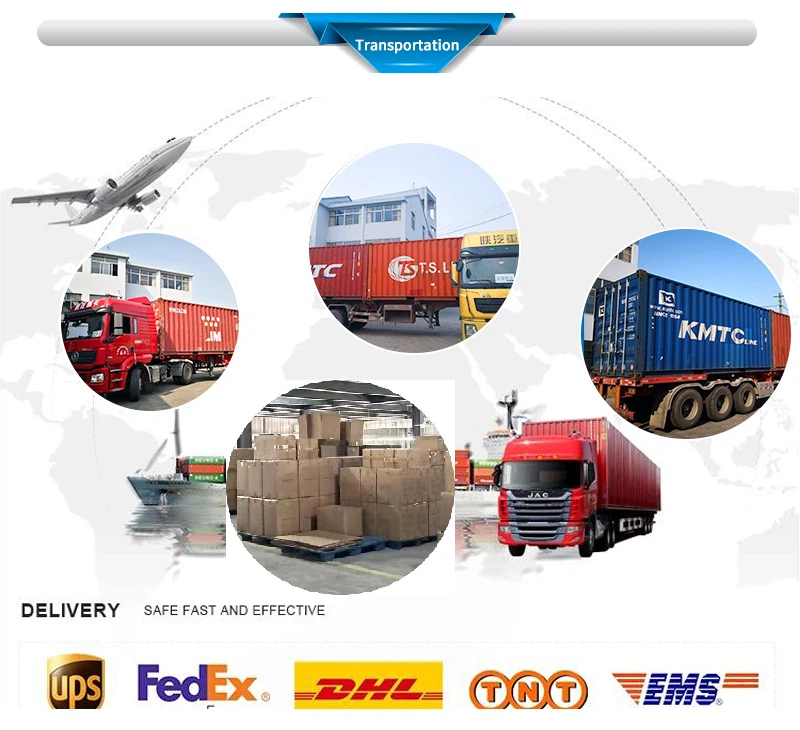
Package & Delivery
Package: Standard export package or Custom
Delivery: By air express, by sea
Exhibition photos


Q: How does an anodized aluminum label compare to a printed polyester or vinyl label in actual service life?
A: The difference is where the marking sits. Printed labels carry ink or toner on the surface; the image is exposed to every wipe, solvent, and abrasion event. An anodized label has the marking inside the oxide layer or recessed into the aluminum. In Taber abrasion testing, engraved codes stayed readable past 200 cycles while printed codes fell below a 60% read rate at 50 cycles. The practical consequence is fewer unreadable tags at inspection, fewer re-orders, and a lower total cost per asset over the service life - even though the unit price is higher than a vinyl label.
Q: Does anodizing color affect UV or chemical resistance?
A: The anodic layer itself provides the UV and chemical barrier regardless of dye color, but some pigments behave differently under prolonged sunlight. Black and dark bronze anodized surfaces tend to show the least color shift under QUV exposure; lighter dyes are more susceptible to fading over years of direct sun. If the label will be exposed to continuous outdoor UV, the marking contrast matters more than the background color - laser marking on a dark anodized background produces a high-contrast mark that remains legible even if the background dye shifts. For salt-spray environments, clear or natural anodizing is specified when chemical resistance is the priority over color matching.
Q: Can you handle variable barcode data from our ERP or asset database?
A: Yes. Customer data is sent as Excel or CSV with sequential asset IDs, barcode values, or Data Matrix strings. The pre-press department maps the database fields into the label layout and runs a serialization check before production begins, so numbering errors are caught at the file stage rather than after printing. Code 39, Code 128, UPC-A, UPC-E, QR Code, and Data Matrix are all supported. If your system exports a barcode image rather than raw data, vector artwork at the correct X-dimension is sufficient.
Q: What decides between adhesive backing and screw or rivet mounting?
A: The mounting surface and the vibration profile. Clean, smooth metal or plastic housings on stationary equipment are a straightforward adhesive application; 3M 300LSE builds bond strength over 24 hours and holds without drilling. Rough concrete, textured powder coat, or any location with sustained vibration calls for mechanical fixing, because adhesive alone can creep under cyclic loading. Pre-punched holes at 3.2 mm or 5.6 mm accept standard rivets and screws, and brass grommets are specified when the fastener bears directly on the aluminum. A combined adhesive-plus-fastener configuration is used on components that are removed for service while the label must stay on the adjacent structure.
Q: What is the minimum order quantity, and how does the sampling process work for a first order?
A: Standard MOQ is 500 pieces per size and marking layout, with volume pricing above 1,000 pieces. Sampling runs 3–5 working days from receipt of a dimensioned PDF or DXF for the outline and a vector file (AI, EPS, or PDF) for the marking artwork. Physical samples are shipped for fit and marking verification before the production order is released. Once an approved sample and marking program are on file, repeat orders skip the sampling stage and move directly to production, which is scheduled at 7–15 working days for batch quantities.
Contact us for more information.
Hot Tags: anodized aluminum labels, China anodized aluminum labels manufacturers, suppliers, factory


