




Hangzhou Ruijia Technology Co., Ltd. is one of the most reliable manufacturers and suppliers of metal qr code plates in China, also supports customized service. Welcome to wholesale bulk discount metal qr code plates for sale here from our factory. If you have any enquiry about free sample, please feel free to email us.
When a label falls off, the asset becomes invisible
A paper or polyester label survives until the first washdown, the first solvent wipe, the first summer of UV exposure, or the first time a technician drags a tool box across it. Then the QR code stops scanning, the serial number disappears, and the asset drops out of the system - often without anyone noticing until an audit.
Metal QR Code Plates solve that failure at the substrate level. The code is not printed on top of the metal. It is laser-engraved into the surface, becoming part of the plate rather than a coating that can peel, fade, or be scraped away. Ruijia manufactures these plates in anodized aluminium, 304 stainless steel, and 316 stainless steel, built around the scanning conditions, mounting method, and service environment of the equipment they will outlive.

What the plate is built around
Every enquiry we receive for a metal QR code plate comes down to four engineering decisions. The table below maps them to the options we produce.
| Decision point | Options we manufacture | What drives the choice |
| Substrate | Anodized aluminium; 304 stainless steel; 316 stainless steel | Aluminium for general machinery and weight-sensitive mounting; 304 for washdown and chemical exposure; 316 for marine, coastal, and chloride-rich environments |
| Code method | Fiber laser engraving; chemical etching; UV digital printing | Laser engraving for permanent, ink-free variable data; etching for recessed tactile marks; UV printing for full-colour graphics or small batches |
| Readability treatment | Matte, satin, or brushed finish; anodized black background with laser-revealed light code | Specular reflection is the primary cause of first-pass read failure on metal; a non-directional finish scatters light and restores contrast |
| Mounting | 3M industrial adhesive; pre-drilled rivet holes; screw fixing; magnetic backing | Thin plates suit adhesive; thicker plates suit rivets or screws on vibrating equipment |
Typical plate thickness runs from 0.5 mm to 1.5 mm, with temperature resistance from −40 °C to +300 °C for laser-engraved aluminium and stainless steel configurations. Size, hole position, quiet zone, and code payload are set per asset - not chosen from a stock list.
Reading performance is engineered, not assumed
A QR code on metal fails for predictable reasons: glare from a polished surface, insufficient contrast between code and background, a quiet zone encroached by a border or rivet hole, or a code too small to resolve after surface wear.
We address these at the plate level rather than after production:
Finish selection against the scanner
Matte and satin anodized surfaces diffuse incident light instead of reflecting it back into the scanner sensor, preserving contrast in handheld and fixed-mount reading.
Quiet zone control
Code placement and plate layout reserve a blank margin on all four sides, kept clear of text, borders, and mounting holes.
Variable-data discipline
Serial numbers, asset IDs, and URLs are supplied as a controlled data file with one row per plate; numbering format, starting number, and delivery order are confirmed before engraving to prevent skipped or duplicated identifiers.
Sample scan before mass production
A physical sample is scanned under your reader conditions - distance, lighting, angle - before the batch is released.
For defence-adjacent or government procurement programmes, plates can be produced to MIL-STD-130 data structures with 2D Data Matrix symbology, human-readable text fields, and verification to ISO/IEC 15415 grading upon request.
Core Products

Aluminium Nameplates

Stainless Steel Name Plates

Brass & Zinc Alloy Badge

QR Code Barcode Asset Tag

Acrylic & Traffolyte Label

Electroformed Nickel Sticker

Wine & Perfume Bottle Label

ABS Car Badge

Metal Phone Stickers
Quality control production line


Why Ruijia for metal QR code plates
Ruijia has manufactured metal identification products since 2004, with a 35,000 ㎡ production base, 86 automated units, and a 12-node inspection chain that holds the defective rate below 3%. The same laser and etching capacity used for nameplates and asset tags is applied to QR code plates - not outsourced to a labelling converter.
For buyers consolidating metal identification suppliers, that means one production source for machine nameplates, asset tags, barcode plates, and serial plates, with shared material certificates and a single compliance file. Plates ship from an 8,000 ㎡ warehouse with bonded storage and port-adjacent loading, supporting batch releases and JIT delivery schedules.

Customer reviews

Our factory

Production Base and Workshop Configuration

Production Capacity and Equipment Strength

Quality Control and Compliance System
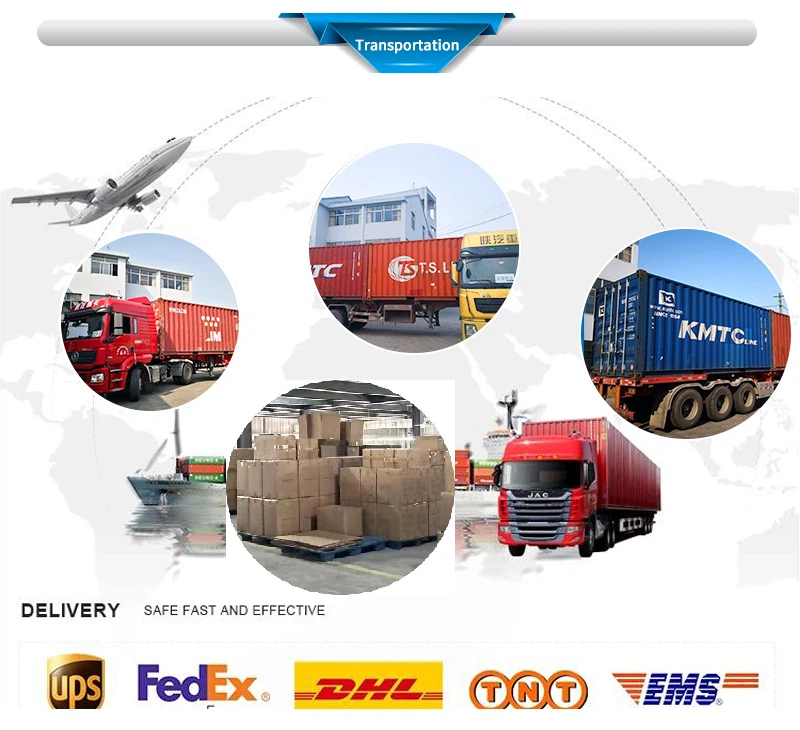
Package & Delivery
Package: Standard export package or Custom
Delivery: By air express, by sea
Exhibition photos


Q: Can a metal QR code plate be scanned with a standard smartphone, or does it need a dedicated reader?
A: Both. QR codes use three-corner finder patterns optimised for omnidirectional scanning, so a standard smartphone camera reads a properly contrasted metal plate at normal handheld distance. Fixed industrial imagers and rugged handheld scanners also read the same code; the difference is in the lighting and standoff distance, which we account for when selecting the surface finish and code size. If your workflow uses a dedicated scanner, share the model and reading distance during quotation.
Q: What happens if the QR code is scratched or partially damaged in service?
A: A laser-engraved QR code is part of the metal, so damage that would destroy a printed label may leave the code still decodable. QR error correction allows reconstruction of a symbol even when a portion of the code area is compromised. The practical limit depends on the symbology, code size, and the grade of damage; for assets exposed to heavy abrasion, we recommend a recessed etch or a protective recessed border to keep the code face below the surrounding surface.
Q: Can each plate carry a different serial number or URL without a new tooling charge?
A: Yes. Fiber laser engraving is a tool-free process for variable data. Serial numbers, asset IDs, and destination URLs are supplied in a spreadsheet with one row per plate, and each plate is engraved with its own unique payload. There is no per-plate tooling charge for changing the code content; only the plate artwork (size, hole pattern, logo, fixed text) requires setup.
Q: How do I specify the right stainless grade - 304 or 316?
A: 304 covers most indoor, washdown, and general outdoor industrial environments. 316 is specified where chlorides are present: coastal and marine installations, salt-spray zones, certain chemical processing areas, and de-icing salt exposure. If the asset will be cleaned with chlorinated sanitisers or installed within sight of salt water, 316 is the safer specification. We can review the service environment against the material datasheet before quoting.
Q: Do you supply the plates as a flat sheet for us to apply, or can they be pre-serialised and kitted?
A: Both formats are available. Plates can be supplied individually bagged, on numbered rolls or rings in sequence, or kitted by asset group with matching mounting hardware. Pre-serialised supply requires a confirmed numbering format and a data file before production; sequentially packed plates are shipped in order so the installer does not need to sort them on site.
Contact us for more information.
Hot Tags: metal qr code plates, China metal qr code plates manufacturers, suppliers, factory


