


Industrial equipment deployed across demanding European environments-from the humid, salt-laden coastal zones of northern Spain to the freezing, chemically treated winter roads of eastern France-faces relentless weathering. For B2B procurement managers and equipment manufacturers, component durability starts with identification tags that can withstand extreme conditions without fading, corroding, or becoming illegible. Selecting the correct etching depth and anodizing finish is critical to ensuring your metal nameplates survive a decade or more in the field.
Why Does Etching Depth Matter for Outdoor Industrial Nameplates?
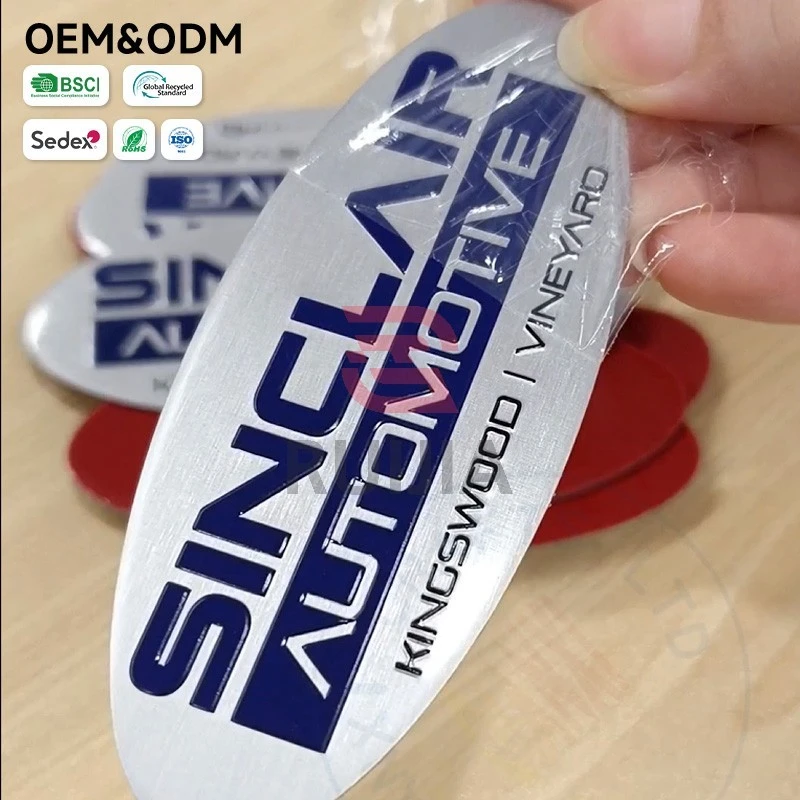
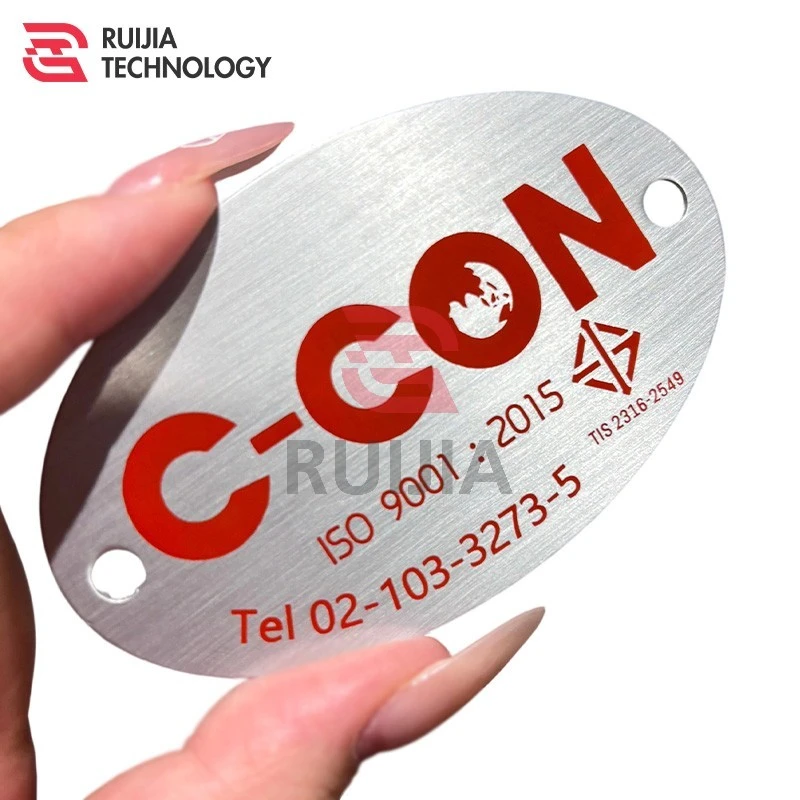
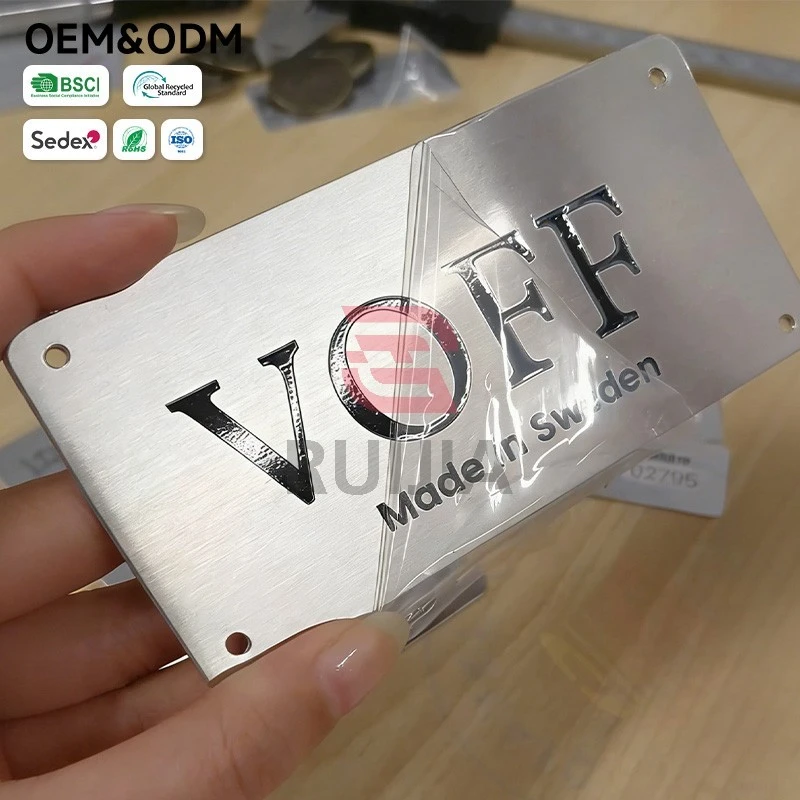
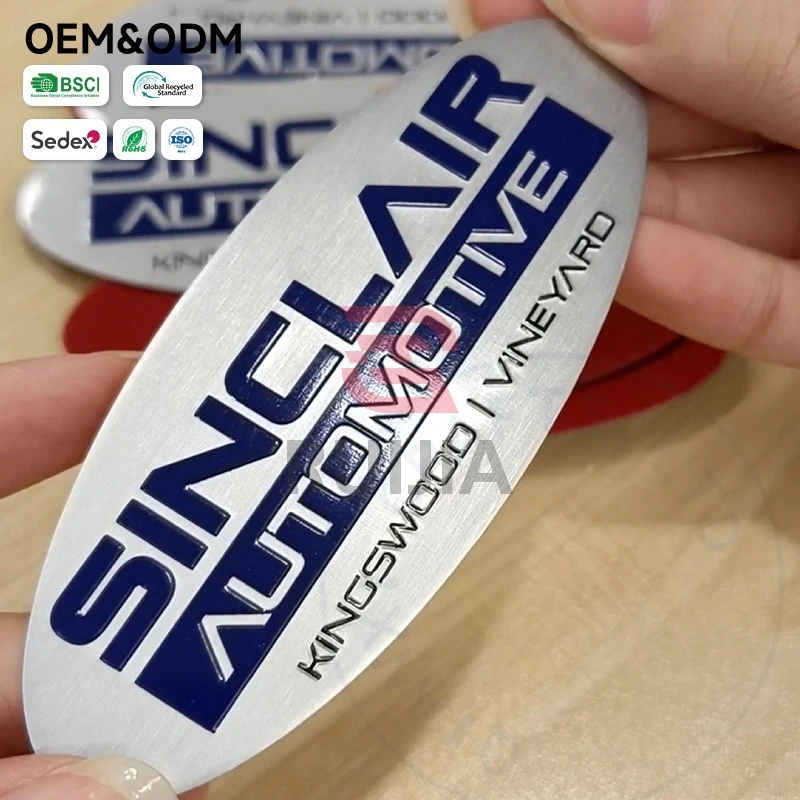
Surface printing or shallow laser marking often fails when exposed to UV radiation, industrial solvents, and abrasive cleaning agents. For heavy-duty applications, chemical etching creates a recessed mechanical bond that holds colored infills securely.
Optimal Depth: For standard industrial exposure, a chemical etch depth of 0.1mm to 0.15mm ensures that even if the top paint layer experiences minor wear, the core text remains perfectly legible.
Corrosion Resistance: Deeper chemical wells allow epoxy or enamel infills to lock firmly into the metal substrate, preventing moisture seepage and galvanic corrosion common in humid European climates.
How Does Anodizing Thickness Prevent Surface Degradation in Alpine and Coastal Regions?
Anodizing transforms the aluminum surface into a hard, non-porous aluminum oxide layer. In regions with high salt spray (such as Atlantic coastal Spain) or de-icing salts used on French highways, standard anodizing is insufficient.
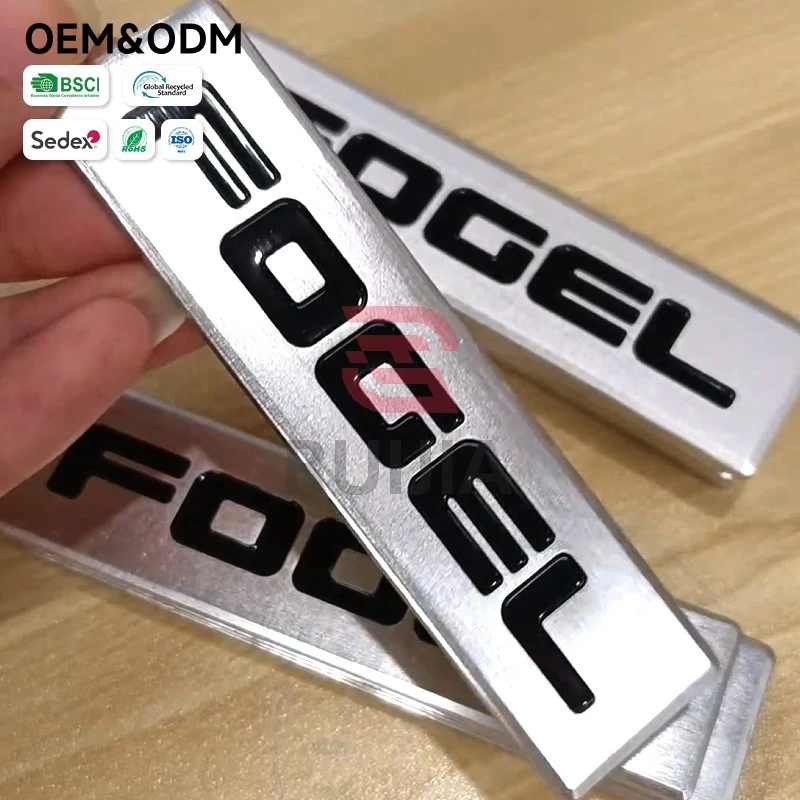
Architectural vs. Hard-Coat Anodizing: While standard decorative anodizing provides a thin protective layer (around 5 to 10 microns), industrial metal nameplates destined for harsh climates require a hard-coat anodizing thickness of 25 microns or higher.
Pore Sealing: Post-anodic sealing closes microscopic pores in the oxide layer, blocking airborne pollutants and chemical ingress that cause pitting and white rust.
How to Specify Aluminum Grades for European Industrial Standards?
Material selection dictates how well the metal reacts to etching and anodizing.
Alloy Choice: Series 5000 (such as Al 5052) and Series 6000 (such as Al 6061) aluminum alloys offer superior corrosion resistance compared to commercial grades like Al 1050, making them the preferred choice for structural and marine machinery in Europe.
Compliance: Ensuring raw materials meet international standards guarantees consistent anodizing response and uniform color absorption.
Why Partner with Ruijia for Custom Industrial Nameplates?
At Ruijia (oembadges.com), we specialize in delivering precision-engineered metal nameplates, badges, and industrial labels tailored to rigorous global standards.
Advanced Manufacturing: Utilizing state-of-the-art chemical etching and controlled anodizing lines, we maintain strict tolerance control on depth and film thickness.
Rigorous Quality Control: Every batch undergoes salt-spray testing and adhesion checks to guarantee field reliability across challenging European operational environments.
Direct Factory Advantages: By eliminating middlemen, we offer competitive bulk pricing, flexible OEM customization, and rapid turnaround times for B2B global partners.


