Choosing between a metal nameplate and a plastic nameplate is a common challenge for manufacturers, equipment suppliers, and brand owners. Both materials have their advantages, but the right choice depends on where the nameplate will be used, how long it needs to last, and the image you want your product to convey.
If you're sourcing custom nameplates for industrial equipment, consumer electronics, machinery, or promotional products, understanding the differences can help you make a smarter purchasing decision and avoid unnecessary costs.
Is a Metal Nameplate Better Than a Plastic Nameplate?
There isn't a one-size-fits-all answer. The better option depends on your application.
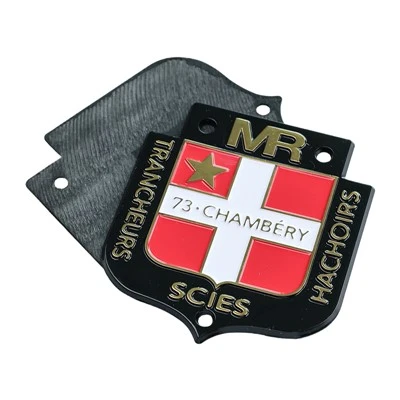
Metal nameplates are widely chosen for products that require durability, a premium appearance, and long-term performance. Materials such as aluminum, stainless steel, brass, and zinc alloy resist wear, moisture, and high temperatures, making them ideal for industrial equipment, electrical products, automotive components, and outdoor applications.
Plastic nameplates, on the other hand, are lightweight and economical. They are commonly used for consumer products, household appliances, packaging, and indoor branding where cost efficiency is a higher priority than extreme durability.
For businesses focused on product quality and brand value, metal nameplates often provide a stronger first impression.
Which Nameplate Lasts Longer?
Durability is one of the biggest differences between these two materials.
A well-manufactured metal nameplate can maintain its appearance for many years, even when exposed to sunlight, chemicals, humidity, or frequent handling. Advanced surface treatments such as anodizing, electroplating, laser engraving, or UV printing further improve corrosion resistance and color retention.
Plastic nameplates perform well in stable indoor environments but are generally more susceptible to scratches, fading, and deformation after prolonged exposure to heat or harsh weather conditions.
If long service life is a key purchasing requirement, metal remains the preferred solution for most commercial and industrial projects.
Which Option Offers More Customization?
Modern manufacturing technologies allow both metal and plastic nameplates to be customized, but metal provides greater flexibility for premium designs.
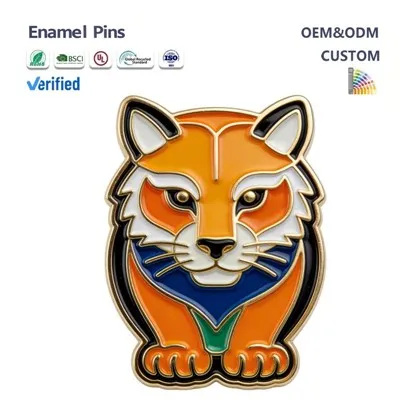
Metal nameplates can feature brushed textures, mirror polishing, embossed logos, engraved graphics, colored enamel, or various plating finishes to create a distinctive appearance. These details help products stand out while reinforcing brand identity.
Plastic nameplates are easier to produce in bright colors and complex shapes, making them suitable for high-volume consumer goods where affordability and visual variety are important.
The best choice depends on whether your priority is premium branding or cost-effective mass production.
Is a Metal Nameplate Worth the Higher Cost?
While metal nameplates usually require a higher initial investment, they often deliver better long-term value.
Because they are more resistant to damage and environmental exposure, metal nameplates typically reduce replacement costs and help maintain a professional product appearance throughout the product's lifecycle. For manufacturers supplying industrial equipment or exporting to global markets, this added reliability can improve customer satisfaction and strengthen brand credibility.
Rather than comparing unit prices alone, many professional buyers evaluate the total lifetime value of the product.
Why Choose RUIJIA for Custom Nameplates?
At RUIJIA, we specialize in manufacturing custom metal nameplates, badges, labels, and other precision metal crafts for customers worldwide. With years of OEM and ODM experience, we support projects from artwork optimization and sample development to large-scale production.
Our engineering team works closely with customers to recommend suitable materials, manufacturing processes, and surface finishes based on real application requirements. Strict quality control throughout production ensures every custom nameplate meets consistent standards for appearance, durability, and dimensional accuracy.
Whether you require equipment nameplates, machinery labels, branding plates, or decorative metal logos, RUIJIA provides flexible manufacturing solutions, competitive lead times, and reliable service for global distributors, wholesalers, and brand owners.
Final Thoughts
Both metal and plastic nameplates have their place in today's market, but they are designed for different purposes. Plastic is an excellent choice for lightweight, budget-conscious indoor applications, while metal offers superior durability, premium aesthetics, and long-term performance for demanding environments.
If your goal is to create products that leave a lasting impression while maintaining reliable performance, a custom metal nameplate is often the better investment. By partnering with an experienced manufacturer like RUIJIA, you gain not only a quality product but also professional engineering support and dependable production for every stage of your project.
Contact us to send your questions.