


The modernization of winery production lines across Bordeaux is accelerating rapidly. As estates upgrade their fermentation tanks, sorting tables, and bottling systems to meet stringent European standards, operational engineers face a critical specification challenge: ensuring that equipment identification tags withstand harsh chemical washdowns and acidic grape must. For procurement managers and plant engineers, selecting the right marking solution is no longer a minor detail-it is a core requirement for compliance and asset longevity.
Why Do Standard Labels Fail in Winery Washdown Environments?
In commercial winemaking facilities, daily sanitation protocols involve high-pressure hosing, caustic detergents, and peracetic acid sanitizers. Standard paper or low-grade aluminum tags quickly degrade, peel off, or become illegible under these conditions. When compliance serial numbers, pressure ratings, or cleaning instructions fade, facility managers risk regulatory penalties and costly maintenance delays. Industrial buyers frequently ask: "How can stainless steel nameplates prevent corrosion and data loss during aggressive CIP (Cleaning in Place) cycles?"
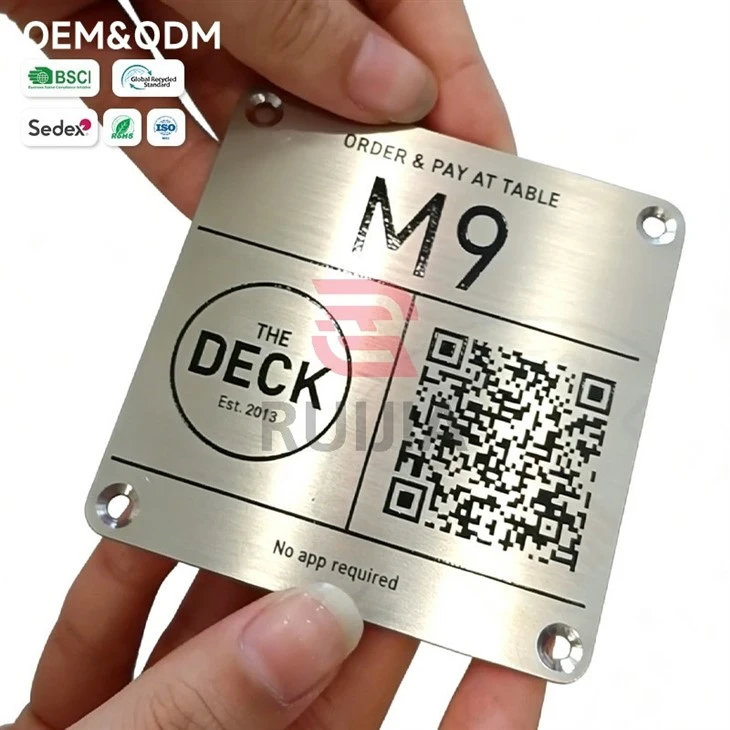
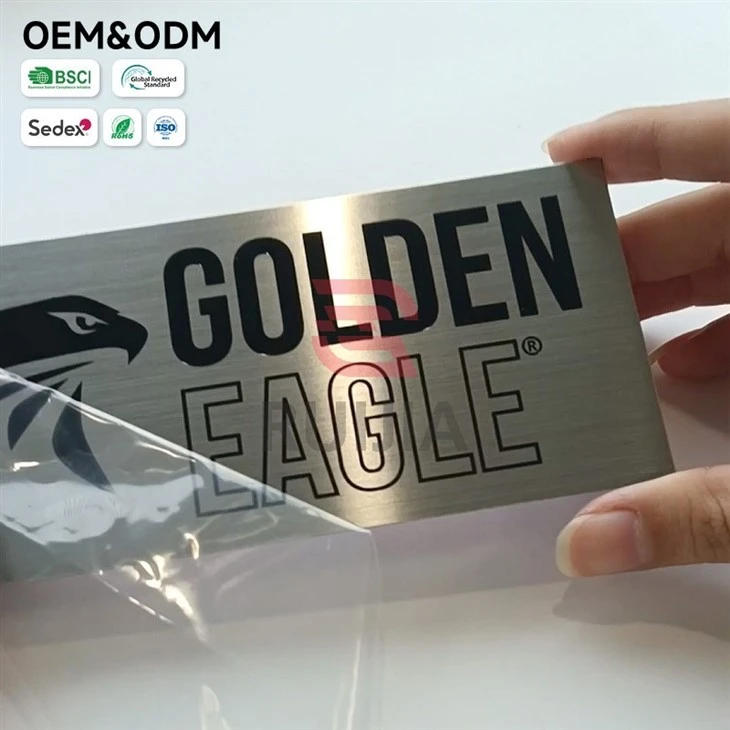
The answer lies in material grade selection. High-specification nameplates crafted from 304 or 316 stainless steel offer exceptional resistance to chlorides, organic acids, and moisture. When combined with deep chemical etching or laser engraving, text and barcodes remain permanently fused into the metal surface, enduring thousands of washdown cycles without fading.
What Makes Grade 316 Stainless Steel Essential for Food and Beverage Processing?
Not all stainless steel is equal when deployed in beverage manufacturing plants. While grade 304 handles general atmospheric conditions well, grade 316 contains an addition of molybdenum that provides superior pitting resistance against sulfur dioxide solutions and cleaning chemicals. Plant operators often inquire: "What are the key performance differences between 304 and 316 stainless steel nameplates in acidic environments?"
In practical applications involving grape juice residue, tartaric acid, and frequent sanitization, grade 316 prevents micro-cracking and surface oxidation. This ensures that safety warnings, capacity ratings, and tracking QR codes stay pristine throughout the machinery's operational lifecycle.
How Does Ruijia Deliver Custom Metal Identification Solutions for Global OEM Equipment?
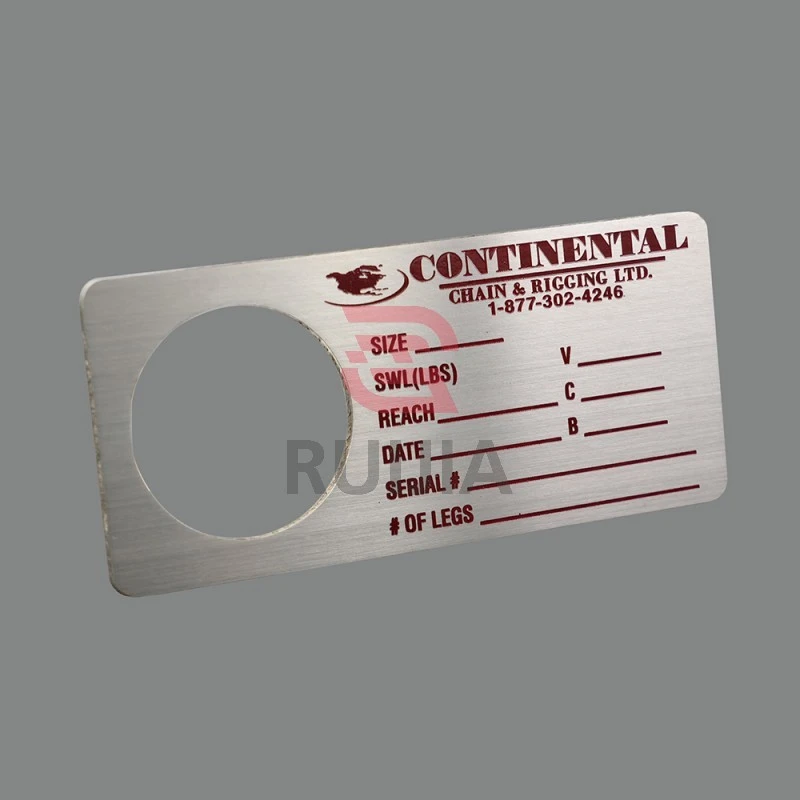
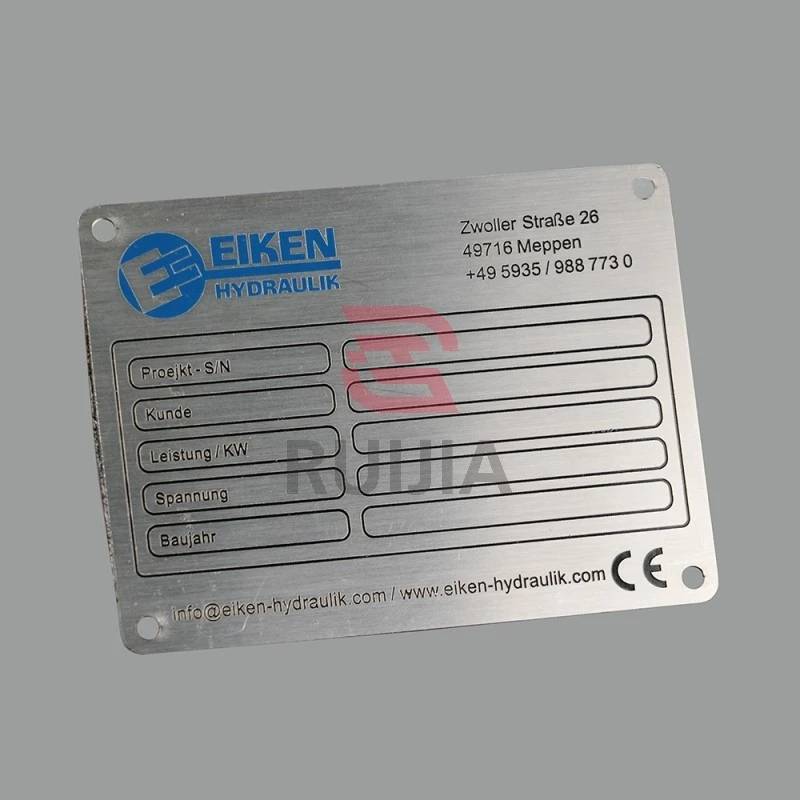
At Ruijia, we partner directly with international machinery builders and industrial exporters to manufacture precision nameplates, control panel labels, and durable metal badges tailored to exact dimensional and regulatory requirements. Our engineering team addresses a frequent buyer concern: "How do custom stainless steel nameplates integrate seamlessly onto curved or vibrating brewery and winery tanks?"
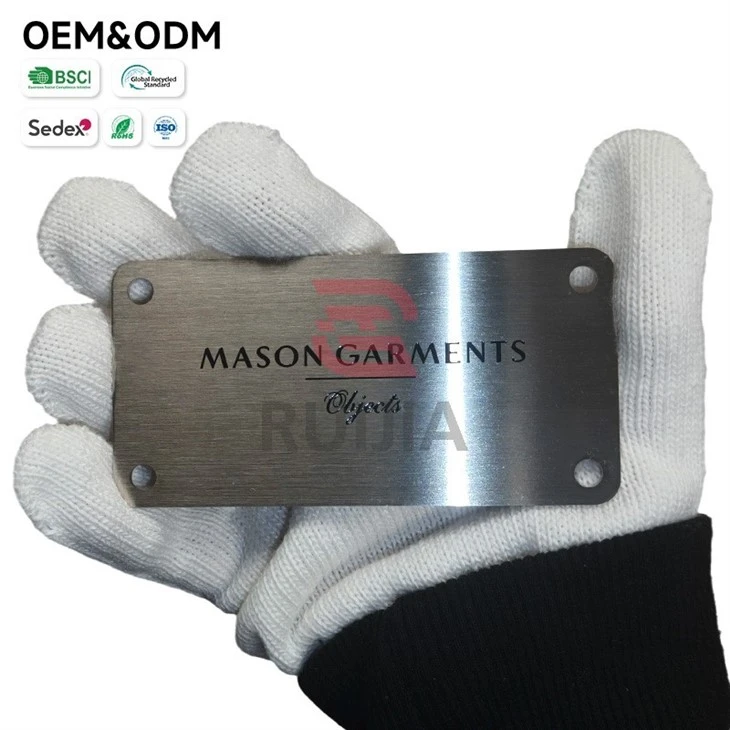
We provide flexible mounting configurations, including precision corner radius cutting, pre-drilled screw holes, and industrial 3M adhesive backings rated for extreme temperature fluctuations. Every batch undergoes rigorous salt spray testing and chemical resistance checks prior to dispatch.

Conclusion: Securing Long-Term Reliability for Processing Equipment
As beverage producers continue to modernize, investing in robust identification hardware safeguards both equipment efficiency and regulatory compliance. Ruijia combines advanced material science with flexible manufacturing capabilities to support global B2B partners. Explore our full range of stainless steel nameplates, heavy-duty labels, and metal crafts at https://www.oembadges.com/ to request technical data sheets or custom sample quotes today.


