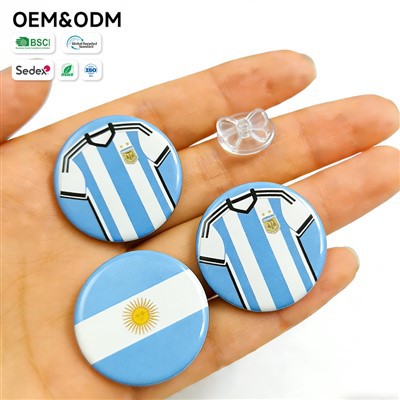
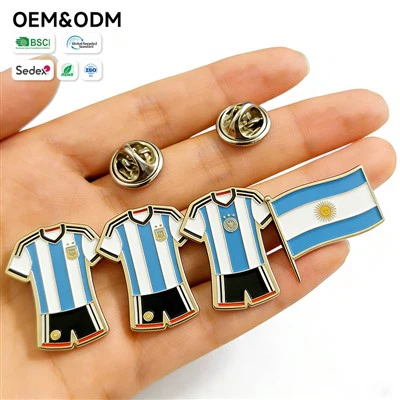
As a condensed symbol of honor and commemoration, medals are made of diverse materials and are exquisitely crafted. The scientific nature of their storage directly affects the durability of their appearance and the complete preservation of their symbolic meaning. Unlike ordinary objects, medals often combine a metal base, enamel or plating decorations, and auxiliary components, making them highly sensitive to environmental temperature, humidity, light, pollutants, and physical impacts. Therefore, storage must be based on a deep understanding of their material properties and structural characteristics. Through environmental control, packaging protection, and regular inspection, a protective system centered on preventing damage, corrosion, and fading should be established.
The primary requirements for the storage environment are stable temperature and humidity and clean air. Metal base materials, especially copper-based alloys and plating medals, are prone to oxidation or electrochemical corrosion in high-humidity environments, resulting in uneven discoloration or rust. Although precious metals are relatively chemically stable, long-term exposure to humid air can still affect their luster due to the adhesion of pollutants. Ideally, the storage temperature should be controlled between 15℃ and 25℃, and the relative humidity should be maintained between 40% and 60%, which can be dynamically controlled using dehumidifiers, air conditioners, and temperature and humidity monitors. The storage space should be away from moisture sources such as kitchens and bathrooms, and should be well-ventilated to prevent mold growth in enclosed environments. Dust and sulfide particles are catalysts for the oxidation of metal surfaces; air purifiers can be installed in the storage area, or non-woven fabrics can be used for regular dusting to reduce the contact between contaminants and the medal surface.
Light control is equally crucial for maintaining the color and material appearance of the medals. Ultraviolet rays accelerate the aging of enamel, paint, and some synthetic coatings, leading to fading, cracking, or loss of luster; strong light can also cause uneven thermal expansion on some metal surfaces, inducing micro-cracks. Direct sunlight should be avoided during storage; blackout curtains, UV-filtered glass, or low-intensity lighting can be used. If necessary, medals should be placed in opaque storage containers. For medals that need to be displayed long-term, it is recommended to use UV-protective acrylic covers or low-reflection glass cabinets, combining display and protection. Packaging and isolation are effective means of preventing physical damage and chemical cross-influence. Each medal should be wrapped in soft, non-acidic padding material (such as polyester non-woven fabric or acid-neutral paper) to avoid direct metal-to-metal contact that could cause electrochemical corrosion, and to prevent edges or embossed areas from scratching each other during stacking. Accessories such as hanging rings and ribbon buckles can be secured with soft foam or individual clips to prevent deformation or breakage due to external pulling. For high-value or antique medals, they can be placed in a sealed, low-oxygen, moisture-proof box with an appropriate amount of desiccant (which needs to be replaced regularly) to further inhibit oxidation and deliquescence. The medal name, material, and precautions should be clearly labeled on the outside of the packaging for easy management and retrieval.

A regular inspection and maintenance system should be established during storage. It is recommended to conduct a comprehensive inspection every three to six months, observing for oxidation spots, plating blistering, enamel cracking, or structural loosening, and assessing the temperature and humidity records of the packaging and storage environment. If slight oxidation is found, gently wipe it with a special metal care cloth or a low-concentration neutral detergent, then blot dry with a lint-free cloth. Damage to the plating or enamel should be repaired by qualified professionals to avoid further damage if attempted to repair it yourself. If accessories such as hanging rings become loose, they should be tightened or replaced promptly to maintain the safety of hanging and display.
Special materials for medals require specific storage measures: Silver medals are prone to reacting with sulfides to form a dark film; they can be stored in a sealed container with desulfurizing tablets and protected from light. Bronze medals with an aged patina should avoid frequent wiping to prevent damaging their antique texture. Commemorative medals with wooden or paper accessories require additional moisture and insect protection; camphor wood chips or special insect repellents can be used, but it must be ensured that the agents do not come into direct contact with the metal surface of the medal.
In short, medal storage is a systematic task that integrates environmental science, material protection, and meticulous management. Only by striking a balance between temperature and humidity, light, pollutants, physical impact, and material properties, and by systematically reviewing and maintaining the medals, can we ensure that they retain their integrity and enduring brilliance over time, so that the symbol of honor does not fade with time, but rather becomes more precious and meaningful through proper storage.