A Procurement Guide
Metal labels used on industrial equipment may be exposed to much more than normal handling. Temperature changes, chemicals, sunlight, and vibration can all affect the label during service. For buyers, the material and marking method need to match the conditions in which the equipment will operate.
What Makes a Metal Label Suitable for Harsh Environments?
There are three main points to check when comparing metal labels: the base material, the way the surface is marked, and how the label is fixed to the equipment.
Choose the Material for the Working Environment
Stainless steel is a common choice for applications where corrosion resistance and heat resistance are important. Anodized aluminum is lighter and can be considered for outdoor applications where UV exposure is a concern. The final material choice should be based on the actual environment rather than the label alone.
Consider How the Information Is Marked
For labels that need to remain readable for a long period, the marking method matters. Laser engraving and deep chemical etching remove or displace material to create the mark. This can make them more suitable for demanding applications than standard screen printing, where the ink is exposed on the surface.
Check the Mounting Method
Vibration can affect how a label stays attached to heavy equipment. Industrial adhesive tapes may work for some applications, but mechanical fixing can be a better choice when the equipment is subject to strong or repeated vibration. Rivets, screws, and other mechanical fasteners are common options.
Ruijia: Factory-Direct Custom Industrial Labels
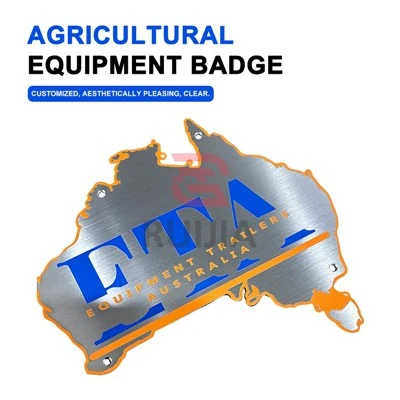
Ruijia (oembadges.com) manufactures custom metal labels for industrial applications. The production process covers metal cutting, CNC machining, surface treatment, and marking, with the specifications based on the customer's project.
Manufacturing
Production is handled through the factory, from metal preparation and machining to surface treatment. Keeping these processes under one production system helps maintain the same specifications across larger orders.
Technical Support
Material compatibility depends on the equipment and its working environment. Ruijia can review the application requirements and provide feedback on the material and production method before an order is finalized.
Orders and Production Planning
For repeat and higher-volume orders, the approved material, dimensions, marking method, and finish can be kept as the production reference. This helps reduce differences between batches.
FAQ
Q: How do I choose the right thickness for a metal label?
A: Thickness depends on the mounting surface and the required rigidity. Thicker material provides more structural strength, while thinner material is easier to use on curved surfaces. The label size and installation method should also be considered.
Q: Can Ruijia mark serial numbers and variable data?
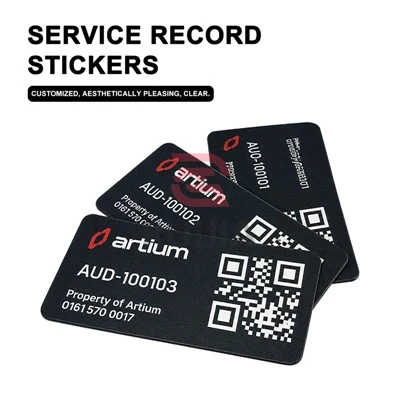
A: Yes. Laser marking can be used for serial numbers, barcodes, and QR codes. This allows individual labels to carry different identification information for equipment and asset tracking.
Q: Need Help Selecting a Metal Label?
A: Send Ruijia the equipment application, operating environment, label size, preferred material, mounting method, marking requirements, and estimated quantity. The information can be reviewed before production to determine a suitable label specification.