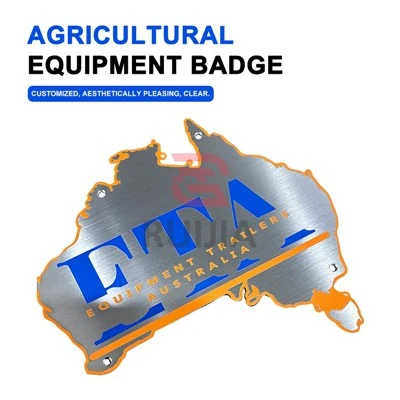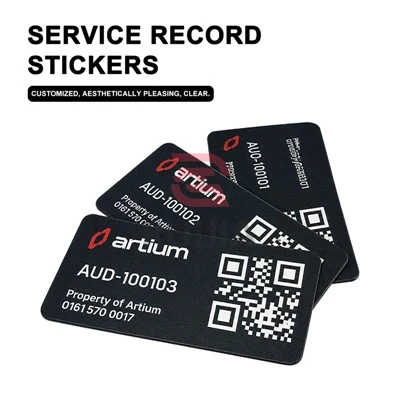
When sourcing custom industrial aluminium nameplates, choosing the right manufacturing process determines not only the initial aesthetic appeal but also the long-term durability in harsh operating environments. Industrial buyers often face a critical decision among three primary methods: Screen Printing, Rotary Engraving, and Photo Anodizing. Each technique utilizes distinct physical and chemical properties, resulting in varying lifespans under UV exposure, chemical splashing, and mechanical wear.
1. Which Aluminium Nameplate Process Offers the Best Durability in Harsh Industrial Environments?
For heavy-duty industrial machinery, outdoor equipment, and marine applications, durability is paramount.
• Screen Printing: Applies specialized UV-curable or solvent-based inks directly to the aluminium surface. While it delivers vibrant full-color graphics and precise Pantone matching, the ink sits on top of the metal. Over time, constant friction, chemical cleaning agents, and direct sunlight can cause fading or peeling.
• Rotary Engraving: Physically carves or cuts characters into the aluminium substrate using rotating mechanical cutters. The recessed cavities are then filled with enamel paint for contrast. This provides exceptional physical wear resistance, though fine details can be limited compared to chemical methods.
• Photo Anodizing (Anodized Aluminum / MetalPhoto): Seals photosensitive dyes beneath the porous anodic layer of the aluminium before it is sealed. The graphic becomes an integral part of the metal itself. It withstands extreme temperatures, saltwater spray, UV radiation, and abrasion for decades without fading.


2. How Do Cost and Lead Time Compare for Custom Orders?
Procurement managers must balance budget constraints with project timelines.
• Screen Printing: Highly cost-effective for large volume runs due to low setup costs per color. Tooling is minimal, making it ideal for rapid prototyping and large batches alike.
• Rotary Engraving: Involves longer machining times per unit, which can increase unit costs for bulk orders. However, it requires no expensive film plates, making it efficient for serial-numbered or variable-data nameplates.
• Photo Anodizing: Involves specialized photographic processing and sealing stages. While initial setup or plate-making costs may be slightly higher, the lifetime value is unmatched because maintenance and replacement costs are eliminated.


3. Which Method is Best Suited for Variable Data, Serial Numbers, and Barcodes?
Traceability and compliance labeling require flawless execution of serial numbers, QR codes, and barcodes.
• Screen Printing: Can print sequential numbers, but individual screen changes or digital hybrid setups are required for variable data, which can add complexity.
• Rotary Engraving: Excellent for deep, permanent serialization, UID numbers, and asset tags that require tactile depth.
• Photo Anodizing: The industry gold standard for barcode and UID tag readability. Because the silver halide image is sealed inside the anodic layer, high-contrast black-and-silver graphics achieve 100% scan reliability over years of industrial wear.
Why Partner with Ruijia for Your Industrial Nameplate Needs?
At Ruijia (oembadges.com), we leverage over a decade of manufacturing expertise to deliver custom nameplates, metal badges, and industrial labels tailored to exact specifications. Our advanced production lines integrate strict quality control, precise color matching, and rapid prototyping capabilities. Whether you require corrosion-resistant photo-anodized nameplates for oil rigs or vibrant screen-printed labels for electronics, our engineering team ensures optimal material selection and cost efficiency. Contact Ruijia today to request samples and discuss your upcoming project requirements.