A Practical Guide for B2B Buyers
Material choice affects the look, weight, strength, finish, and production cost of a custom metal item. For buyers and product designers, the right option depends on what the piece needs to do, how it will be made, and where it will be used. Promotional items, awards, badges, and functional metal parts do not necessarily need the same material.
Zinc Alloy vs. Brass vs. Stainless Steel
Zinc alloy, brass, and stainless steel are all used for custom metal products, but they suit different jobs.
Zinc Alloy
Zinc alloy is a practical choice for detailed shapes and larger production runs. Die casting allows small lettering, logos, recessed areas, and other fine features to be formed directly in the mold. It is often used for custom badges, medals, and decorative pieces where appearance and detail are major requirements. It is also a cost-conscious option for volume orders.
Brass
Brass is commonly selected when the product needs more weight and a premium metal feel. It offers good corrosion resistance and works well with plating and other surface finishes. Brass is frequently used for higher-end lapel pins, executive gifts, and prestige trophies.
Stainless Steel
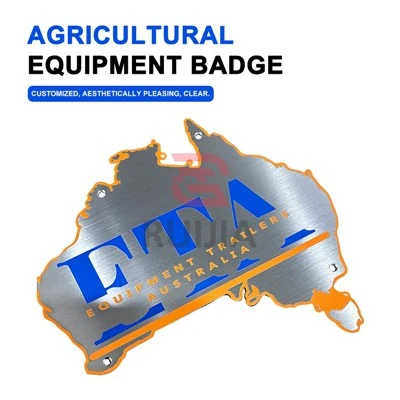
Stainless steel is suited to products that need strength and resistance to rust and environmental exposure. It is a common material for industrial nameplates, tool components, and parts used outdoors or in demanding working conditions.
What to Check Before Ordering
Production Method
The manufacturing process has a direct effect on material selection. Die casting, CNC machining, and metal stamping use different production methods and may require different material specifications.
Where the Product Will Be Used
Consider whether the finished item will stay indoors, be used outdoors, or come into contact with moisture or corrosive substances. The working environment can affect both the base metal and the surface finish.
Surface Finish
The selected metal should be compatible with the required finish. Gold, silver, antique, polished, and other plating effects can produce different results depending on the material and preparation process.
Why Work with Ruijia for Custom Metal Crafts?
At Ruijia (oembadges.com), material selection starts with the product itself. We review the design, production method, quantity, finish, and intended use before recommending a suitable material.
Material Consultation: We compare material options based on the product requirements and production budget, rather than choosing a material only by price.
In-House Production: Design support, mold making, finishing, and packaging are handled within the production process, making it easier to keep specifications and quality consistent.
From Samples to Volume Orders: We can support custom prototypes as well as larger production runs, so the same project can move from sample approval to regular supply.
FAQ
FAQ
Q: Which material is best for detailed logo work?
A: Zinc alloy is usually a strong option for fine logo details because it flows well during die casting. The mold can reproduce small lettering and raised or recessed features with good definition.
Q: Can Ruijia work with non-standard metal thicknesses?
A: Yes. Production can be adjusted for different material thicknesses. The suitable thickness depends on the required weight, rigidity, dimensions, and manufacturing method.
Q: Need Help Choosing a Material?
A: Send us the product drawing, dimensions, target quantity, preferred finish, and intended use. Ruijia can review the requirements and suggest a material and production method that fit the project.