Which Method Fits Your Application?
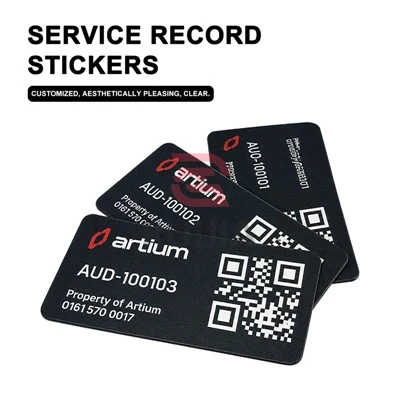
For industrial equipment, a label may need to do more than carry a company name. It can contain model information, identification numbers, or other data that must remain readable during service. When choosing between laser-engraved and printed metal labels, buyers should consider the working environment as well as the cost.
How Does Environmental Exposure Affect Label Life?
The main difference is how the marking reacts to wear and exposure. Printed information is applied to the label surface, so inks can be affected by abrasion, chemicals, sunlight, and other conditions over time.
Laser engraving creates the mark by removing material from the surface. This gives the information a physical depth rather than leaving the complete mark as a surface coating. For applications involving heat, UV exposure, or industrial chemicals, laser engraving can be a better choice when long-term readability is important.
When Is Laser Engraving a Better Choice?
Laser marking is worth considering when equipment will operate in demanding environments. The source material names oil and gas, automotive manufacturing, and aerospace applications as examples where durable identification may be required.
High-Temperature Areas
Laser-marked information does not depend on a conventional ink layer for its basic identification mark. This makes it suitable for equipment exposed to high temperatures where printed markings may deteriorate.
Contact with Chemicals or Salt Spray
Labels used around solvents, fuels, or salt spray need a marking method that can maintain readable information. Laser engraving is a suitable option for applications where these conditions are expected.
Choosing a Label Method for Your Project
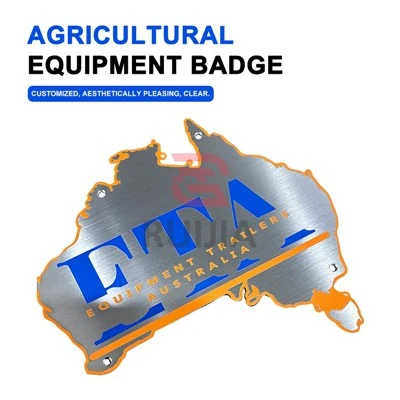
Ruijia (oembadges.com) produces custom industrial labels using both laser marking and printing. The material and marking method can be selected according to the equipment, information to be displayed, and expected environment.
Laser Engraving and Printing
Laser engraving is useful for permanent identification and variable data that needs to remain readable. Printing provides more flexibility for graphics and color. The appropriate method depends on what information the label needs to carry.
Materials and Finishes
Ruijia can work with stainless steel, aluminum, and anodized aluminum finishes. Material selection should take the installation environment and required surface treatment into account.
Production and Quality Checks
The production process covers custom prototypes through larger production quantities. Labels can be checked against the approved design and specifications before shipment.
FAQ
Q: Can laser-engraved labels show full-color logos?
A: Laser engraving itself is monochromatic. If a project needs both permanent identification and a colored company logo, a combined approach can be used. Critical information can be laser etched, while branding elements are printed with UV-cured inks.
Q: What is the lead time for custom industrial nameplates?
A: Lead time depends on the design, material, finishing requirements, order quantity, and whether a prototype is needed first. Ruijia handles the production process in-house and can work on both prototypes and higher-volume orders.
Q: Need Help Choosing Between Laser Engraving and Printing?
A: Send Ruijia the label drawing, material preference, size, information to be marked, estimated quantity, and working environment. The team can review the requirements and recommend a suitable marking method.