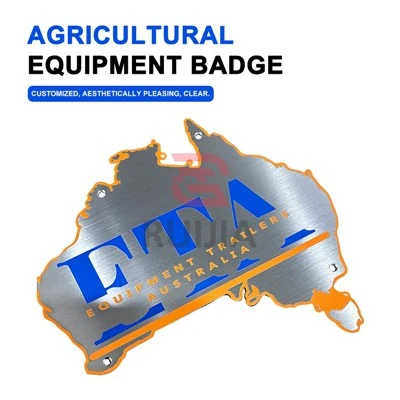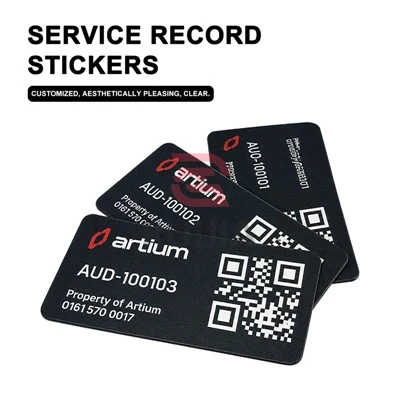
When designing metal nameplates, equipment badges, or premium branding emblems, selecting the right material and manufacturing technique dictates both product lifespan and visual appeal. Brass remains the premier alloy choice for heavy-duty OEM nameplates, luxury emblems, and custom metal crafts due to its high density, corrosion resistance, and excellent cold-working ductility. Combining solid brass stamping with custom enamel infill creates a permanent, tactile branding marker capable of surviving harsh operational environments while retaining crisp metallic aesthetics.
What Is the Difference Between 2D and 3D Embossed Brass Badges?
Understanding the structural geometry of metal stamping is the first step when specifying brass nameplate tooling. The primary distinction between 2D flat-plane engraving and 3D sculpted relief lies in depth levels and die construction.
2D Embossed Brass: Utilizes two distinct physical levels-a raised top surface and a flat recessed floor. 2D stamping die cutouts create clean, sharp vertical walls. This flat recess serves as a secure reservoir for liquid enamel colors, keeping distinct color sections separate with defined metallic ridge lines.
3D Embossed Brass: Incorporates multi-level, smooth curvature, textured profiles, and organic gradients. 3D brass emblems require CNC-machined steel dies with intricate multi-axis relief. This process allows sculpted logos, crests, curved equipment covers, and realistic anatomical or mechanical contours to emerge seamlessly from the metal surface.
|
Technical Parameter |
2D Embossed Brass |
3D Embossed Brass |
|
Surface Geometry |
Single flat recessed plane + sharp vertical borders |
Multi-level curves, sculpted relief, organic slopes |
|
Enamel Compatibility |
Ideal for both Soft Enamel and Hard Enamel (Cloisonné) |
Best suited for raw metal, antique finish, or soft enamel accent |
|
Primary Application |
Industrial equipment tags, rating plates, clean corporate logo badges |
Luxury automotive emblems, commemorative medals, crests, relief crafts |
Soft Enamel vs. Hard Enamel: Which Is Best for Custom Brass Nameplates?
Choosing the correct enamel infill technique depends on target aesthetic preferences, surface tactile requirements, and physical durability standards.
Soft Enamel Infill (Dimensional Contrast)
In soft enamel processing, liquid liquid-pigment paint is metered into the recessed cavities of the stamped brass piece. After low-temperature thermal curing, the enamel settles slightly lower than the raised metal borders. This creates a distinct 3D tactile feel where metal ridges rise above the color fields. An optional clear epoxy dome coating can be applied over soft enamel to create a smooth, protective shield against surface abrasion.
Hard Enamel / Imitation Cloisonné (Flush Polished Finish)
Hard enamel involves overfilling recessed brass cavities with specialized paste colorants, followed by high-temperature oven baking. Once cured, the entire badge face undergoes high-precision mechanical surface grinding and multi-stage polishing. The enamel and brass lines are ground down to an identical plane, resulting in a flat, glass-smooth surface where metal lines and color blocks sit flush. Hard enamel delivers high scratch resistance, UV stability, and chemical tolerance.
Precision Manufacturing: Stamping Line Control & Thermal Curing
Consistently manufacturing high-grade brass nameplates and metal crafts requires tight process control at two critical stages:
Precision Stamping & Line Boundary Control: To prevent color bleeding between adjacent enamel cells, metal ridge wall thickness must maintain a strict threshold (typically ≥ 0.25mm). Advanced hydraulic stamping presses ensure crisp corner radii and uniform floor depth, preventing color migration during automated fluid dispense.
High-Temperature Baking & Color Matching: Enamel formulations undergo exact Pantone (PMS) matching. Microprocessor-controlled baking ovens ensure uniform thermal curing profiles. Precise temperature ramp rates eliminate pinholes, surface bubbles, and discoloration, ensuring vibrant hue accuracy batch after batch.
Why Overseas B2B Buyers Trust Ruijia Metal Crafts & Badges
Hangzhou Ruijia Technology Co., Ltd. (OEM Badges) specializes in custom B2B manufacturing of metal badges, industrial nameplates, custom metal labels, and detailed metal crafts. Global procurement managers and OEM brand partners rely on Ruijia's robust production capabilities:
Custom Mold Engineering & OEM Flexibility: We turn technical CAD drawings or vector artwork into high-precision 2D stamping dies and multi-axis 3D CNC molds tailored to exact client specifications.
Strict Quality Control & Durability Testing: Every batch undergoes rigorous quality checks, including plating thickness measurement, salt-spray corrosion testing, and adhesion testing to withstand outdoor exposure and industrial wear.
Comprehensive Surface Finishes & Mounting Options: From genuine gold, nickel, chrome, and antique bronze plating to custom rear mounting options (3M adhesive backing, mounting holes, rivets, or threaded studs), we provide end-to-end custom solutions for global buyers.
|
Ready to Upgrade Your Metal Nameplate Procurement? Explore our full range of custom badges, brass nameplates, labels, and metal crafts at www.oembadges.com or send your design vector files to our engineering team for a rapid quote and mold evaluation. |