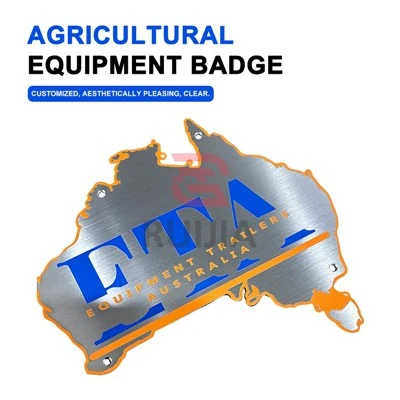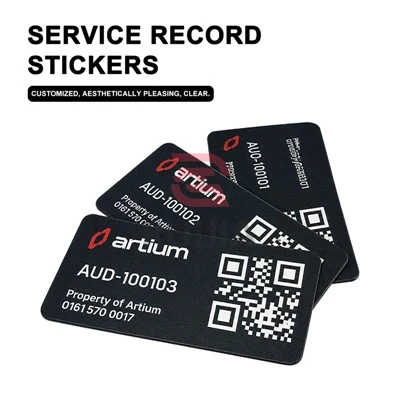
In modern product manufacturing, brand emblems and decorative badges must deliver high aesthetic value without adding unnecessary structural weight or excessive tooling costs. Acrylonitrile Butadiene Styrene (ABS) nameplates have become the industry standard across automotive, home appliance, and industrial equipment sectors. By applying advanced plastic electroplating techniques, engineers transform lightweight injection-molded plastic into components featuring real metal textures, mirror-like chrome brightness, and sophisticated satin silver or gold finishes.
How Does Plastic Electroplating Work on ABS Nameplates?
Plating on plastic is fundamentally different from plating on traditional metals like brass or zinc alloy. Because raw ABS plastic is non-conductive, the surface must undergo chemical pretreatment before any electric current can deposit metallic layers. The process relies on creating micro-pores on the plastic substrate to ensure strong mechanical interlocking with metal deposits.
• Etching (Roughening): The ABS component is immersed in a chromic-sulfuric acid bath. This dissolves butadiene rubber particles on the plastic surface, creating microscopic craters without changing the overall shape of the nameplate.
• Sensitization & Activation: The etched nameplate is treated with a palladium-tin colloid solution. Precious palladium nanoparticles absorb into the micro-cavities, establishing catalytic active centers on the non-conductive surface.
• Electroless Nickel Plating: Through a chemical reduction reaction, a ultra-thin (0.1–0.5 µm) nickel layer deposits across the activated surface. This initial layer converts the plastic component into a conductive substrate ready for electroplating.
• Electroplating (Copper, Nickel, Chrome): Once conductive, electrical current builds substantial protective and decorative metal layers: a ductile copper layer for stress relief and thermal expansion matching, semi-bright/bright nickel layers for corrosion protection, and a top chrome layer for surface hardness and finish color.
What Is the Difference Between Mirror Chrome and Satin Metallic Finishes?
B2B buyers frequently request specific visual textures to match brand positioning. The final appearance-whether high-gloss reflective or matte brushed-is controlled primarily during the nickel plating stage and specialized mechanical or chemical post-treatments.
|
Finish Feature |
Metallic Mirror Finish (Bright Chrome) |
Satin / Brushed Finish (Satin Gold/Silver) |
|
Visual & Tactile Effect |
High reflectivity, crisp optical clarity, cold metallic sheen, smooth feel. |
Soft diffuse light, subtle low-glare texture, silk-like matte tone, anti-fingerprint. |
|
Process Control |
Requires bright nickel bath with leveling organic additives and zero micro-scratches. |
Uses satin nickel bath with micro-emulsified additives or mechanical graining before plating. |
|
Primary Applications |
Automotive exterior badges, luxury home appliance logos, plumbing fixtures. |
Premium audio gear, high-end electronics, interior trim, luxury medical devices. |
Why Choose Plated ABS over Solid Metal Badges?
For global buyers managing unit economics, ABS electroplating balances premium aesthetic presentation with practical commercial advantages:
• Weight & Shipping Efficiency: ABS features a low density (~1.05 g/cm³), making electroplated plastic emblems over 80% lighter than solid die-cast zinc or brass. This drastically lowers international air and sea freight expenditures for high-volume shipments.
• Design Freedom & Detail Resolution: Plastic injection molding allows intricate 3D geometries, sharp edge radiuses, and hollowed-out structures that are cost-prohibitive or impossible to execute via traditional metal stamping.
• Corrosion & Weather Resistance: Multi-layer electroplating (copper + semi-bright nickel + bright nickel + chrome) shields the plastic base against UV exposure, salt spray, moisture, and chemical cleaners.
Ruijia (oembadges.com) Custom Electroplating & Manufacturing Solutions
As a dedicated manufacturer specializing in high-grade badges, nameplates, labels, and metal crafts, Ruijia (oembadges.com) delivers tailored OEM/ODM solutions to global commercial clients. We maintain strict process controls from initial mold tooling through final plating inspection.
• Precision Mold Engineering: In-house mold design ensures proper gate positioning and parting lines, preventing stress concentrations that could impair electroplating adhesion.
• Grade-A Plating Materials: We utilize electroplating-grade ABS resins combined with high-purity chemical baths to achieve uniform metallic layer thickness and strong inter-layer bonding.
• Versatile Surface Finishes: Offering mirror chrome, satin nickel, champagne gold, antique bronze, and customized brushed textures to match exact brand color guidelines.
• Rigorous Quality Testing: Every batch undergoes rigorous quality assurance, including CASS salt spray testing, thermal cycle testing, and grid adhesion testing to meet international automotive and appliance standards.
Upgrade your brand identity with lightweight, durable ABS nameplates. Visit oembadges.com to consult with our engineering team, request custom sample kits, or submit your 2D/3D CAD drawings for a competitive OEM quotation.